



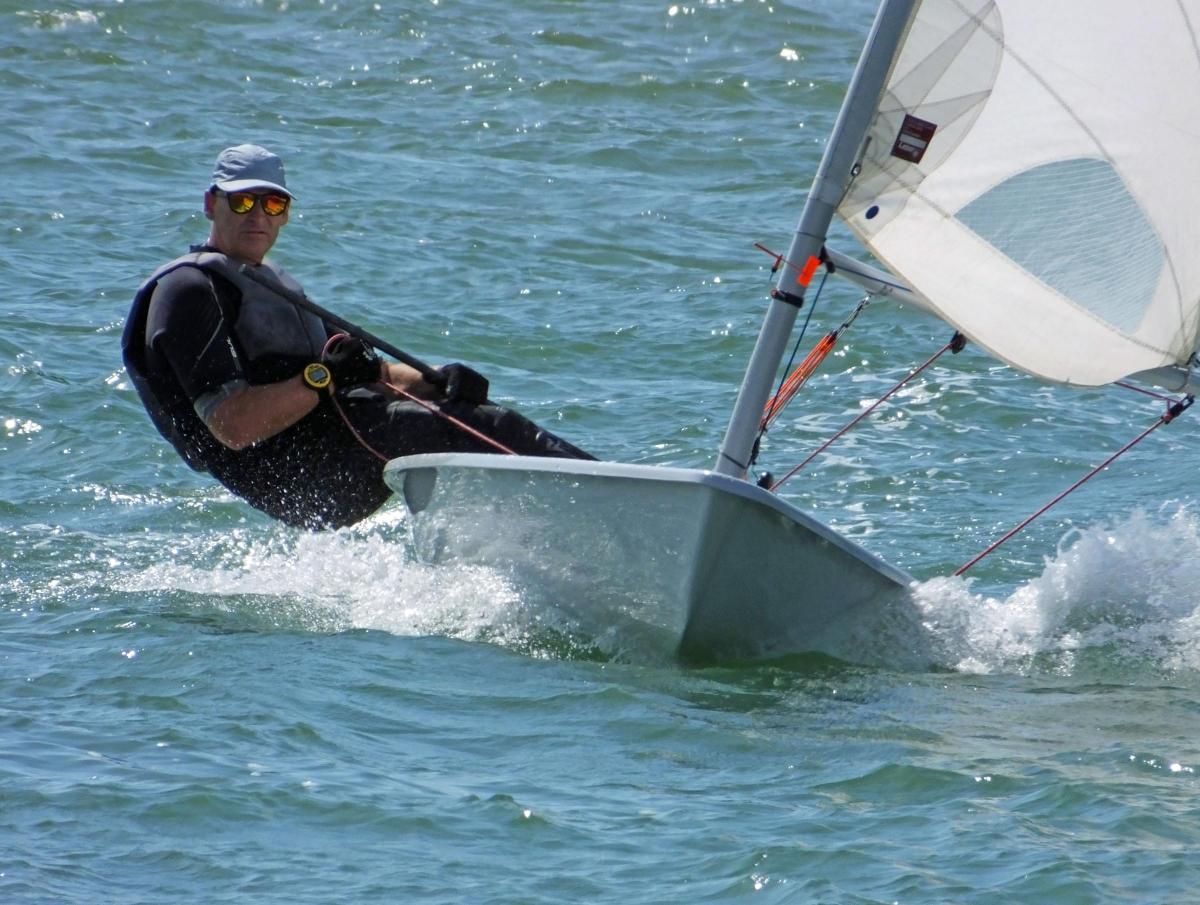
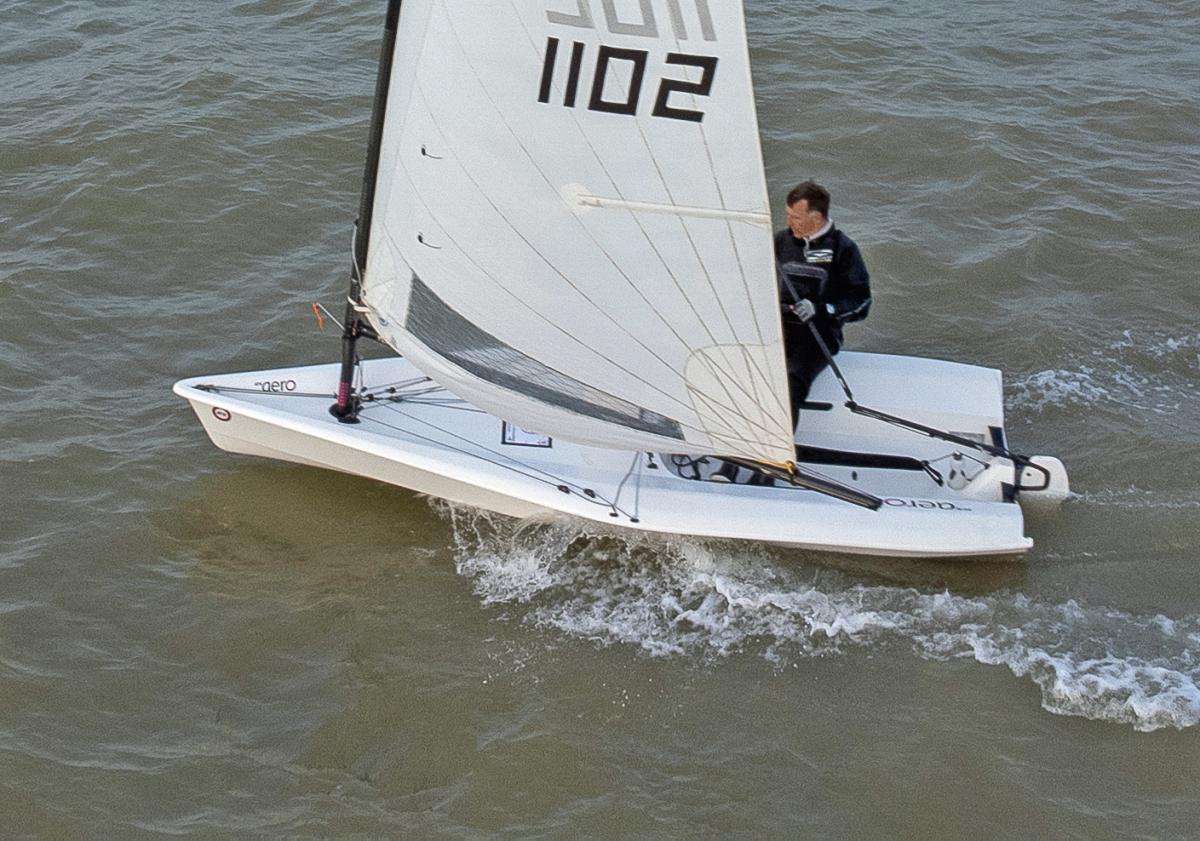
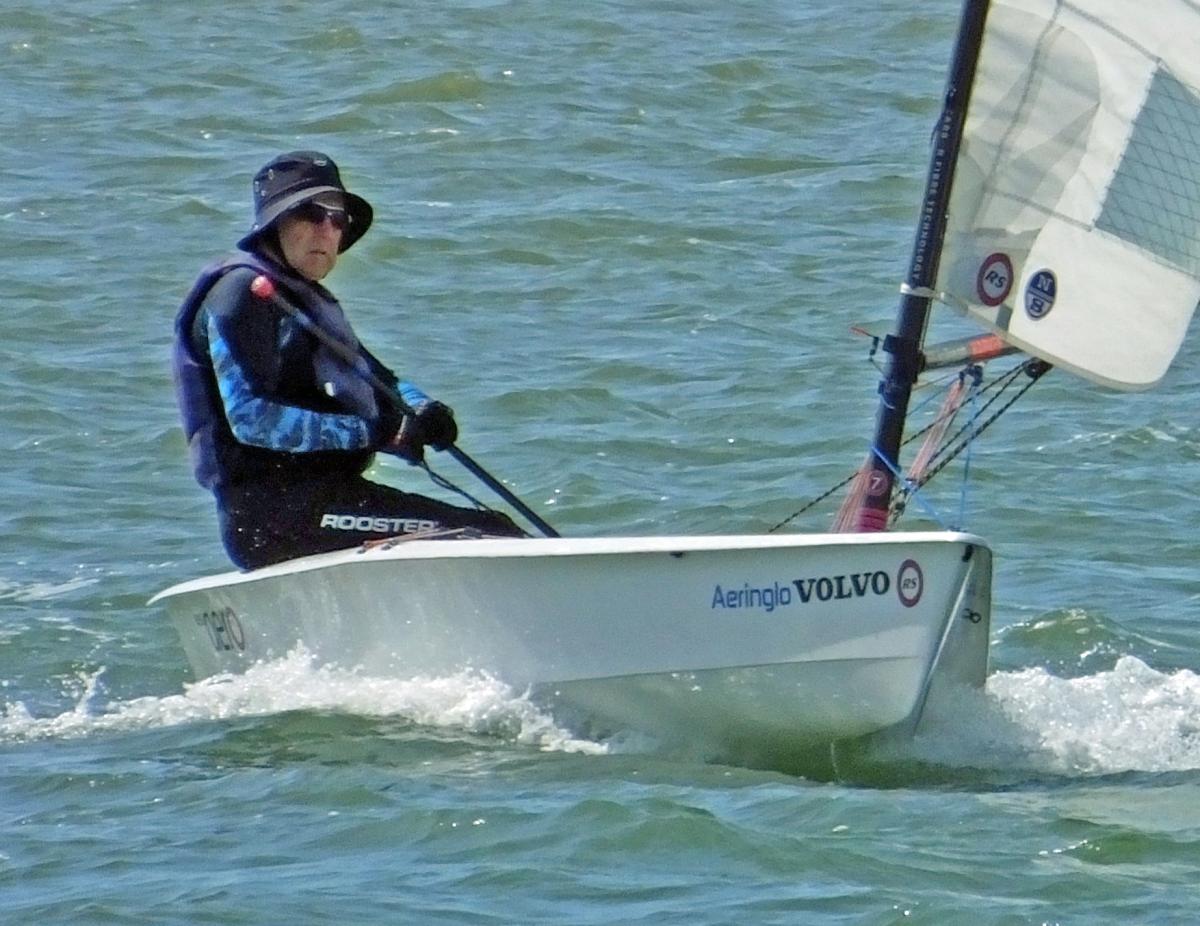
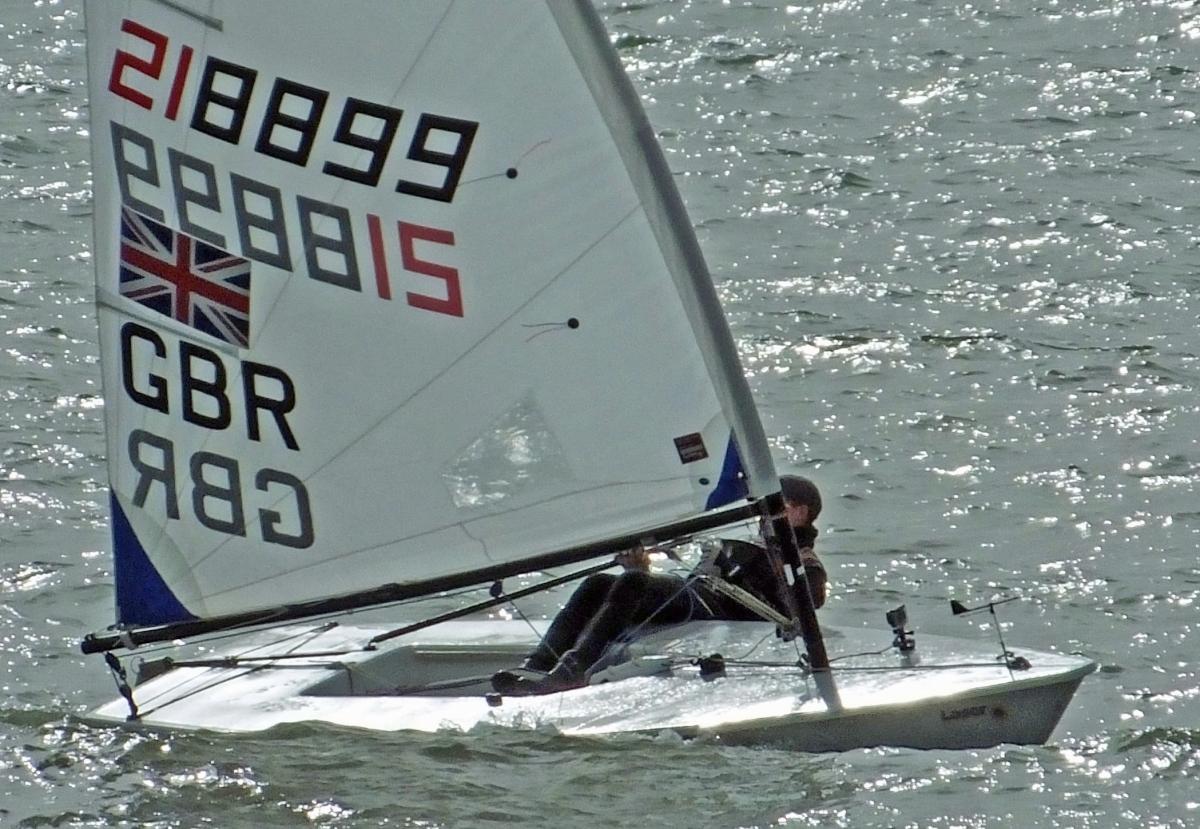

SUNSHINE followed rain as Gunfleet Sailing Club members battled shifting conditions, close racing and a shortened course for the Les Murrison Trophy.
The race was the second in the Super September Sailing series.
Tim Dye, Adam Kedge and Dave Ingle chose the offshore side for the opening beat in a south-westerly breeze.

The fleet faced a flood tide on the first leg towards the St Michael’s buoy.
All helms started on starboard, while Ingle found a central position between the distance marks.
Dye tacked first, with John Tappenden and Derroll Pedder following in their RS Aeros.

Tappenden rounded the windward mark first, but initially sailed towards the open sea instead of Lilley Farm.
Correcting his course cost him much of his advantage before a second mistake compounded the delay.
He briefly began taking the next buoy to starboard before being alerted that it had to be left to port.

From Preston Park, Brian Allen moved into the lead on the run to the AWS buoy.
Tappenden followed, ahead of Dye, Pedder and Kedge, before Pedder passed Dye on the reach to Seaward.
The moderate breeze, measured at force three and occasionally touching four, allowed the fleet to gybe cleanly.
Competitors then broad-reached towards Preston Park before rounding Kingscliff and beating back towards the finish.
Tappenden regained first place on the water, while Paul Jackson opened a gap over Michael Gutteridge.
Jackson, in an RS Aero, opened a gap over Michael Gutteridge’s Solo.
After one lap, Kedge led on handicap, followed by Tappenden and Dye.
The order changed little across the fleet during the second lap, despite the close margins.
As the wind became more fickle, the race officer shortened the course to two laps.
Kedge retained the handicap lead, with Tappenden second and Dye third when racing ended.
Read more
The result reflected Kedge’s consistency through a race where tactical errors and changing pressure proved costly.
Tappenden’s early pace was enough to keep him among the leading boats, despite his navigational setbacks.
Dye remained competitive after his strong start, while Pedder’s pass highlighted the importance of the reaching legs.


Share