



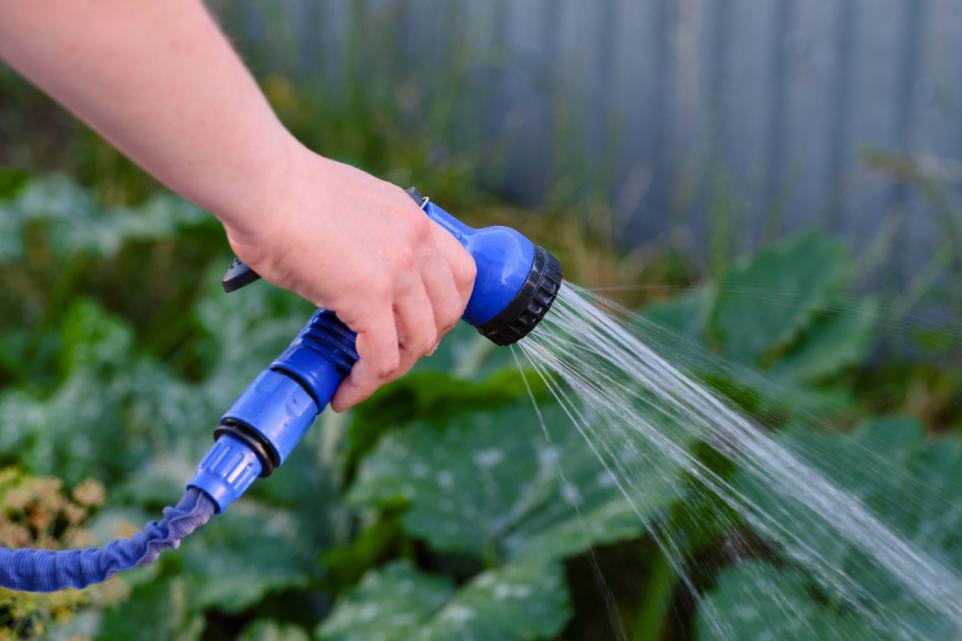
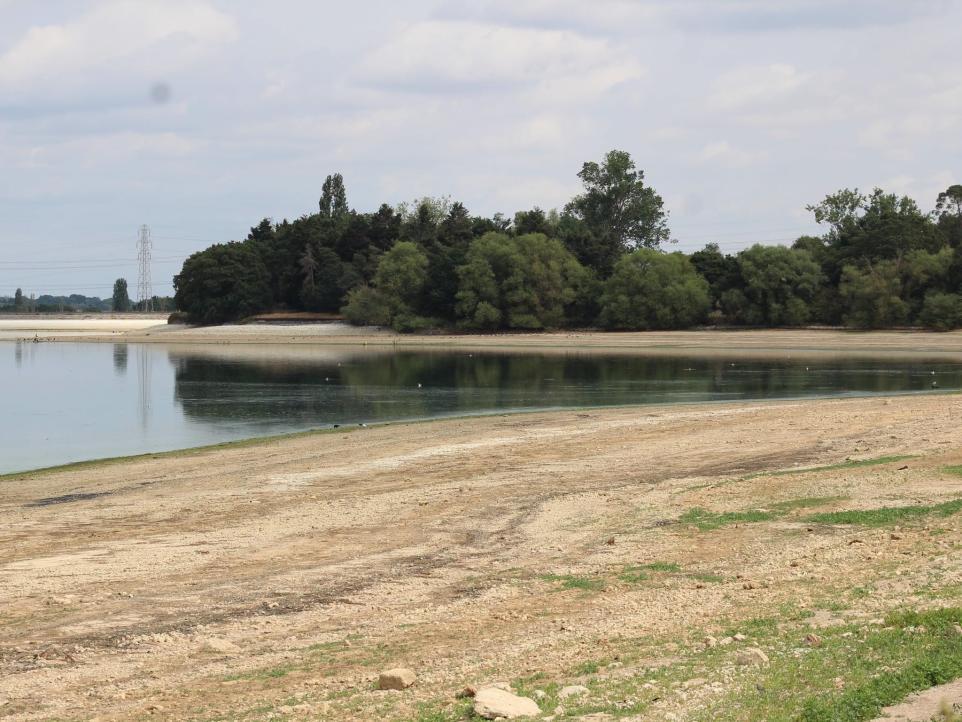

A hosepipe ban is expected to remain in place for a number of months, according to a water company.
According to the BBC, Anglian Water, which serves millions of customers across the east of England has said the end may not be in sight just yet.
Grant Tufts from Anglian Water told a meeting at Norfolk County Council the ban may be in place until "even the winter".
He also added there needs to be a significant amount of rain to replenish reservoir supplies.

The ban, was confirmed on July 11, restricting hosepipe use in areas including Colchester and covers activities such as garden watering, vehicle cleaning, and filling swimming pools or hot tubs.
It is the region's first hosepipe ban since 2012 and follows a period of extreme heat and prolonged dry weather.
Read more
Hosepipe ban lifted for thousands but restrictions remain in place across Essex
What does sustained rainfall mean for hosepipe ban in Essex?
Environment Agency provide Essex drought update following sustained rainfall
During the meeting, Mr Tufts said: "Tufts, the firm's public affairs lead, said the hosepipe ban was "not going to be stopping any time soon".
He said: "I can't give you a date, but it's going to be well into the autumn, maybe even the winter.
"We need several more downpours and consistent rain to recharge those supplies."
An Anglian Water Spokesperson said: “While any rain is welcome and will help, a few weeks of rainfall won't reverse the effects of many months of hot, dry weather.
"Our rivers, groundwater and reservoirs need sustained rainfall over a much longer period to recover (typically this happens in autumn and winter).
"Rain during hotter and drier periods also isn't as effective at bringing water levels back up, as the dry ground stops water from soaking in, meaning it takes longer to recharge sources such as groundwater.
"The Temporary use Ban (TUB or hosepipe ban) will be lifted once we are confident that sources have recovered back to normal levels, this ensures public water supply and the environment are protected.”


Share