



FARMERS are calling for national targets on homegrown food as part of efforts to boost the UK’s self-sufficiency and food security.
The call comes as the NFU’s latest report reveals that the UK is producing less food now than it did 30 years ago.
Ten out of 11 staple foods—including wheat, vegetables, beef, poultry, and eggs—have seen declines in self-sufficiency over the past three decades.
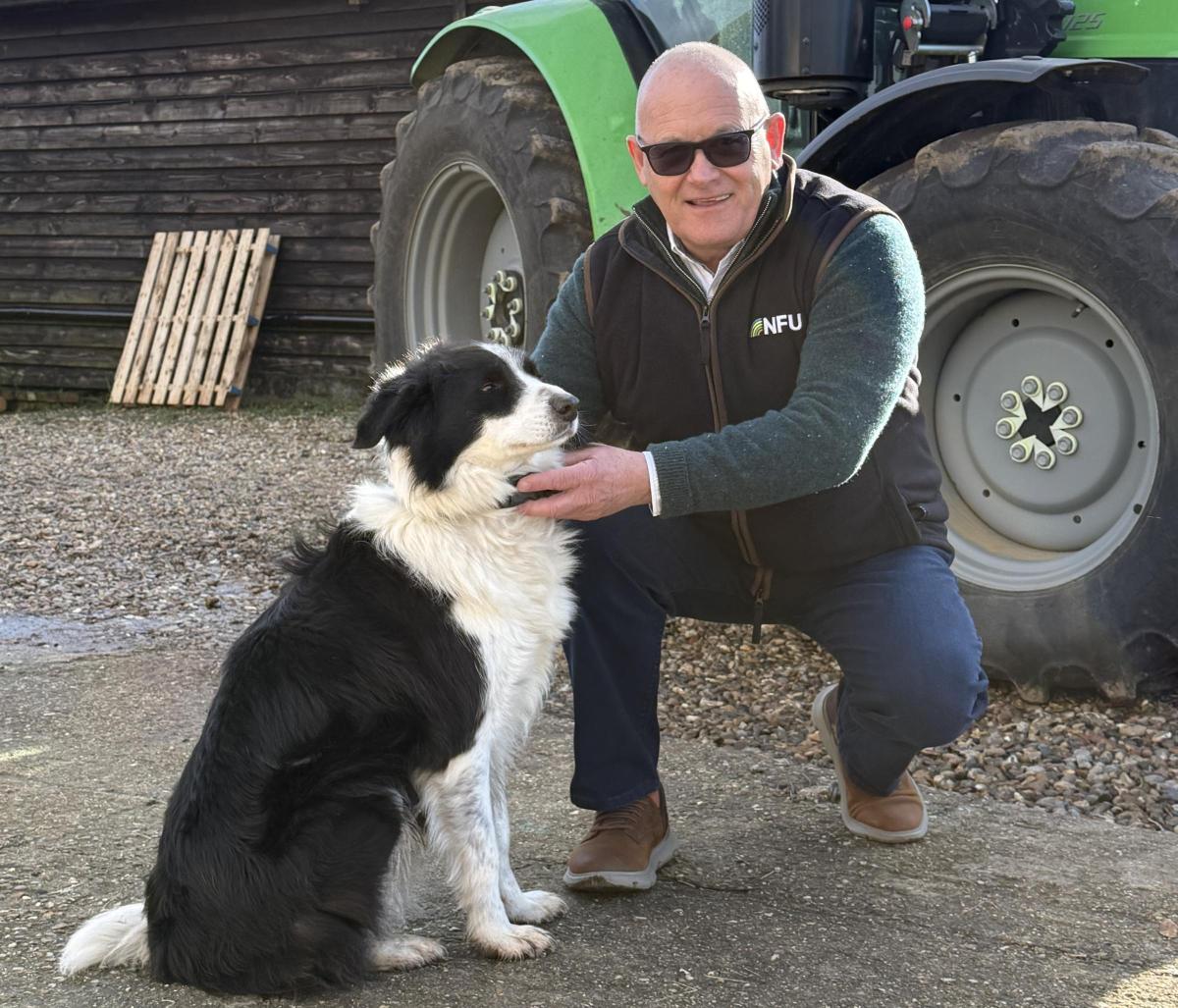
NFU Essex chair Graham Harvey, whose family farm is near Felsted, said: "Back British Farming Day is a great opportunity to champion our industry, highlight our concerns, and thank the public for their amazing support.
"Farming is crucial to Essex, with farmers here driving the economy, caring for our countryside, and supporting the environment, all while working to world-leading animal welfare standards as we feed the nation and strive to deliver national food security."

The NFU is urging the government to set clear targets for increasing homegrown food production, a move Mr Harvey believes is essential.
He said: "The government needs to take national food security seriously and setting ambitious targets for homegrown food production would be an important step forward in helping us to achieve this.
"Having a successful British farming industry is vital to Essex and with continued public support and government policies which back British farmers, we can have a sustainable and positive future."
Public sentiment appears to be firmly behind the NFU’s calls.

Read more
-
Britain’s reliance on imported food soars as home output falls, NFU report finds
-
Ukrainian refugee family describe moment car smashed into historic home
A recent OnePoll survey found that 93 per cent of British households believe it is important to maintain or increase the UK’s food self-sufficiency.
However, the NFU’s Ready to Grow report warns that much of the country’s food is being produced at a loss.
It found that 65 per cent of wheat and barley on cereal farms came from businesses operating in the red.
The situation is further strained by the worst drought in 50 years, which is expected to cost wheat growers £370million.
Other pressures include the UK’s largest-ever bluetongue outbreak and rising fuel, fertiliser, and energy costs linked to the conflict in Iran.


Share